Termite Treatment and Inspection in Ellicott City
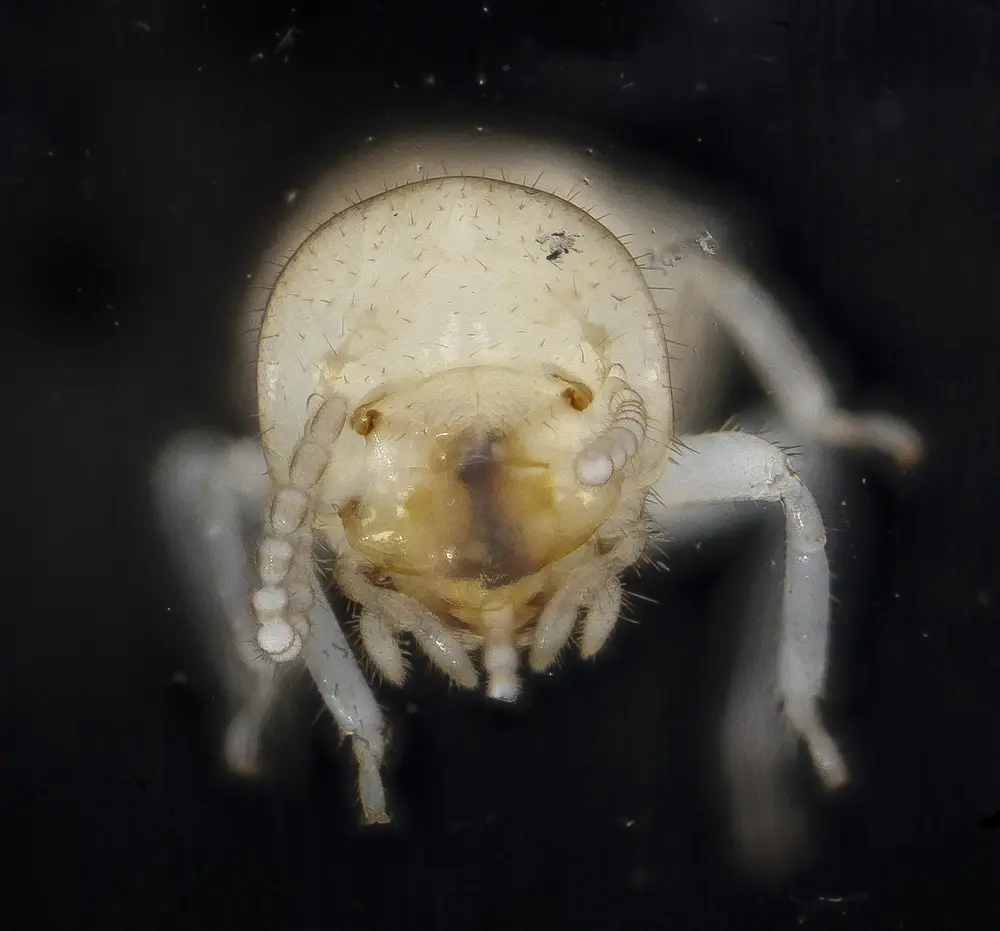
Termites in Ellicott City means the eastern subterranean termite, the native species the University of Maryland Extension describes for the state. The colonies live in the soil and send workers up into wood that touches the ground or sits close to it. Unlike carpenter ants, they actually eat the wood, and they're happy with sound, dry lumber as well as damp.
Most people find out during a swarm. On a warm spring day, a cloud of small dark winged insects comes out near the basement, a slab edge or a low window, then disappears, leaving piles of wings on the floor. That's the colony sending out new kings and queens. It's also the clearest sign you'll get that termites are working somewhere nearby, and the best moment to call about termite treatment.
Swarmers by the basement door: termites or ants?
UMD Extension gives three quick checks, and you can do them with a few swarmers in a clear plastic bag. Termites have straight antennae, a thick waist with no pinch, and four wings all about the same length. Carpenter ants have bent antennae, a pinched waist and front wings that are longer than the back pair. If the bugs match the termite side, save them for the tech.
Other signs are quieter. Extension lists dirt tunnels about a quarter inch wide running up the foundation, soil packed into cracks, piles of small silvery wings on a sill or floor, and darkened or blistered paneling. Wood that sounds hollow when tapped, or paint that bubbles at the bottom of the trim, is worth a look too.
- Antennae: straight on a termite, elbowed on an ant
- Waist: thick on a termite, pinched on an ant
- Wings: equal length on a termite, front pair longer on an ant
Where termites hide in stone, block and slab houses
A termite inspection starts at the foundation, inside and out. The tech looks for mud tubes on stone, block and poured walls, taps and probes wood near the soil (sills, porch posts, stair stringers, deck ledgers, door frames) and checks anywhere mulch is piled against the siding or a downspout dumps water at the foundation.
Old stone foundations take patience. The gaps between stones can hide tubes, so expect a flashlight and some time in the cellar. Newer homes have their own blind spots. Finished basements cover the sill line with drywall, and a slab garage or a sunroom addition can let termites come up through an expansion joint without anything showing. Big new houses in Clarksville and newer Elkridge townhouses see their share of spring swarms. While the tech is down at the sill, ask them to note anywhere mice are slipping past the foundation.
Liquid treatment or bait stations, and what affects the price
Once termites are confirmed, most companies recommend either a liquid soil treatment around the foundation or a bait system set in the ground around the house. Which one fits depends on the construction. Stone foundations, slab additions, wells and finished basements each change the approach. Ask about follow-up inspections and any warranty, and get those terms in writing, since they come from the company.
The price depends on the length and type of foundation, the treatment method, how far the activity has spread and any monitoring afterward. If a sill or joist turns out to be chewed through, fixing it is carpentry work that gets quoted on its own. Extension's own advice is to get more than one estimate and check that the company's applicators are certified by the Maryland Department of Agriculture, which is fair advice for any big job.
Until then, don't tear open walls or fog the swarmers. Save a few in a sealed bag, note where they came out, pull mulch back from the siding and turn the downspouts away from the house. Carpenter ants like the same wet wood, so the tech may check for ant nests in the sills while they're there, and our stone foundation guide explains why older basements get both.
Questions We Get
Do houses in Maryland really get termites?
Yes. The eastern subterranean termite is native here, and it damages wood in contact with soil, according to the University of Maryland Extension.
There are winged bugs all over the basement floor. Do I spray them?
No need. The swarmers die off on their own within a day, and the colony is down in the soil where a can of spray can't reach. Drop a few into a zip bag for the tech and sweep up the rest.
I'm buying a house. Is an inspection worth it?
Most buyers get one as part of the purchase. If you're about to finish a basement or add a porch, it's a good time to have the sill line checked before the walls go up.
Serving Old Ellicott City, Dunloggin, Turf Valley, Valley Mede, St. Johns Lane, Columbia, Catonsville, Clarksville, Woodstock and Marriottsville, Elkridge.